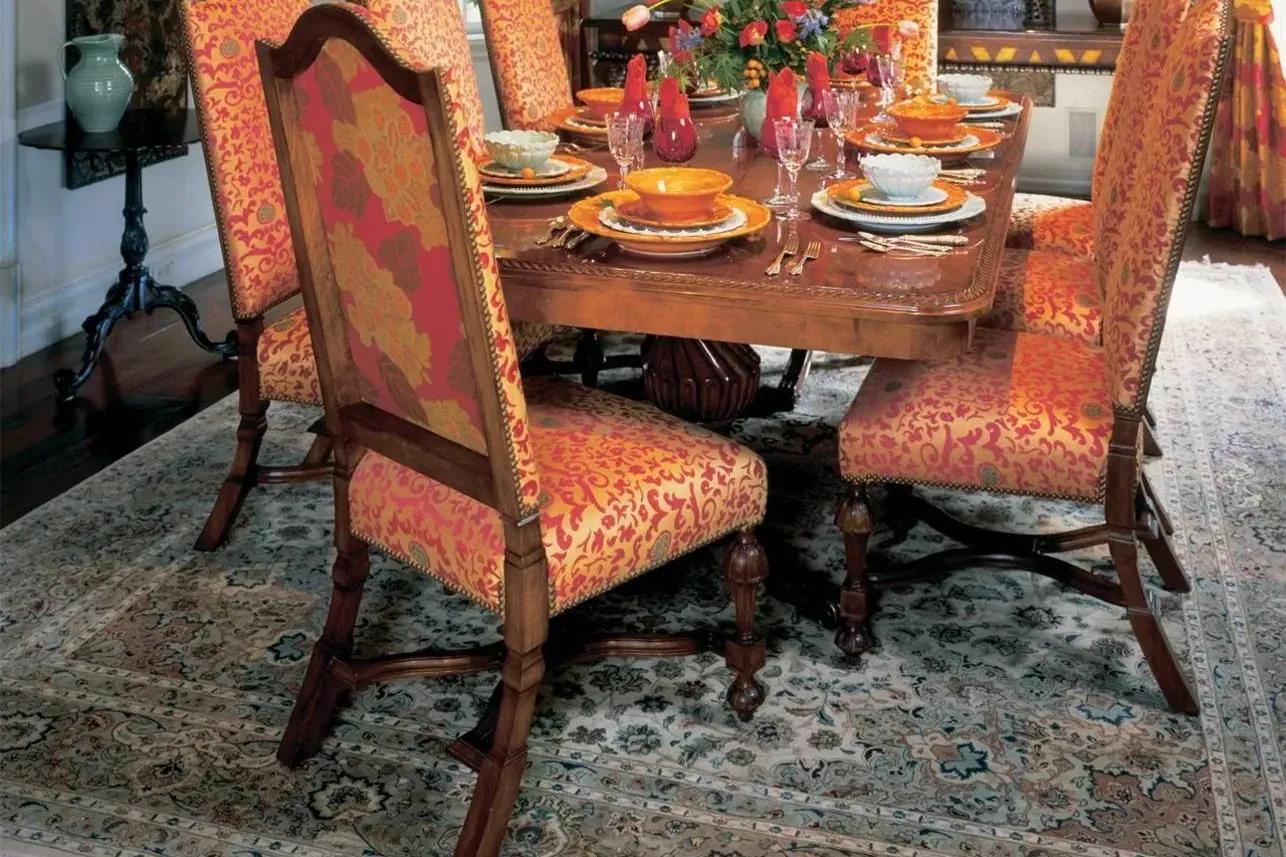
The Timeless Beauty of Persian Rugs: A Guide to Understanding Craftsmanship
· Updated · 4 min read
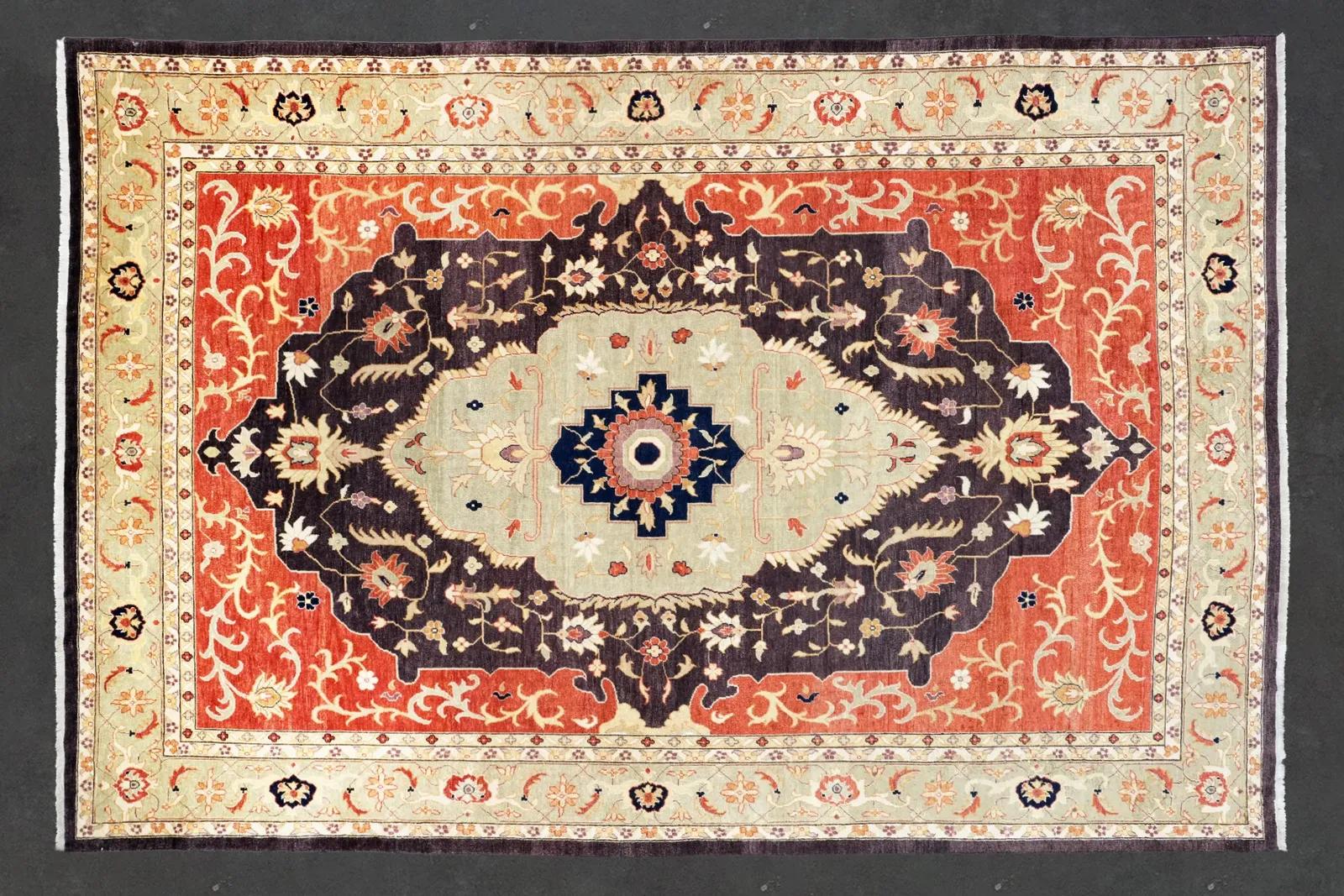
When it comes to luxury and timeless beauty, there are only a few home furnishings that compare to Persian rugs. These masterpieces of art and craftsmanship have been cherished for centuries, not only as functional pieces but also as heirlooms passed down through generations. Persian rugs are more than just decorative items—they are a window into a rich cultural heritage and a testament to meticulous craftsmanship. In this guide, we delve into what makes Persian rugs so extraordinary and why they remain a symbol of elegance and tradition.
1. A Legacy of Artistry
Persian rugs have their roots in ancient Persia (modern-day Iran), where weaving rugs was not merely a craft but a revered art form. The tradition dates back over 2,500 years, with each rug telling a story that reflects its region of origin, cultural influences, and the weaver’s personal touch.
Regional Styles
The diversity of Persian rugs stems from the different regions in which they are made. Each area boasts its own unique patterns, colors, and techniques:
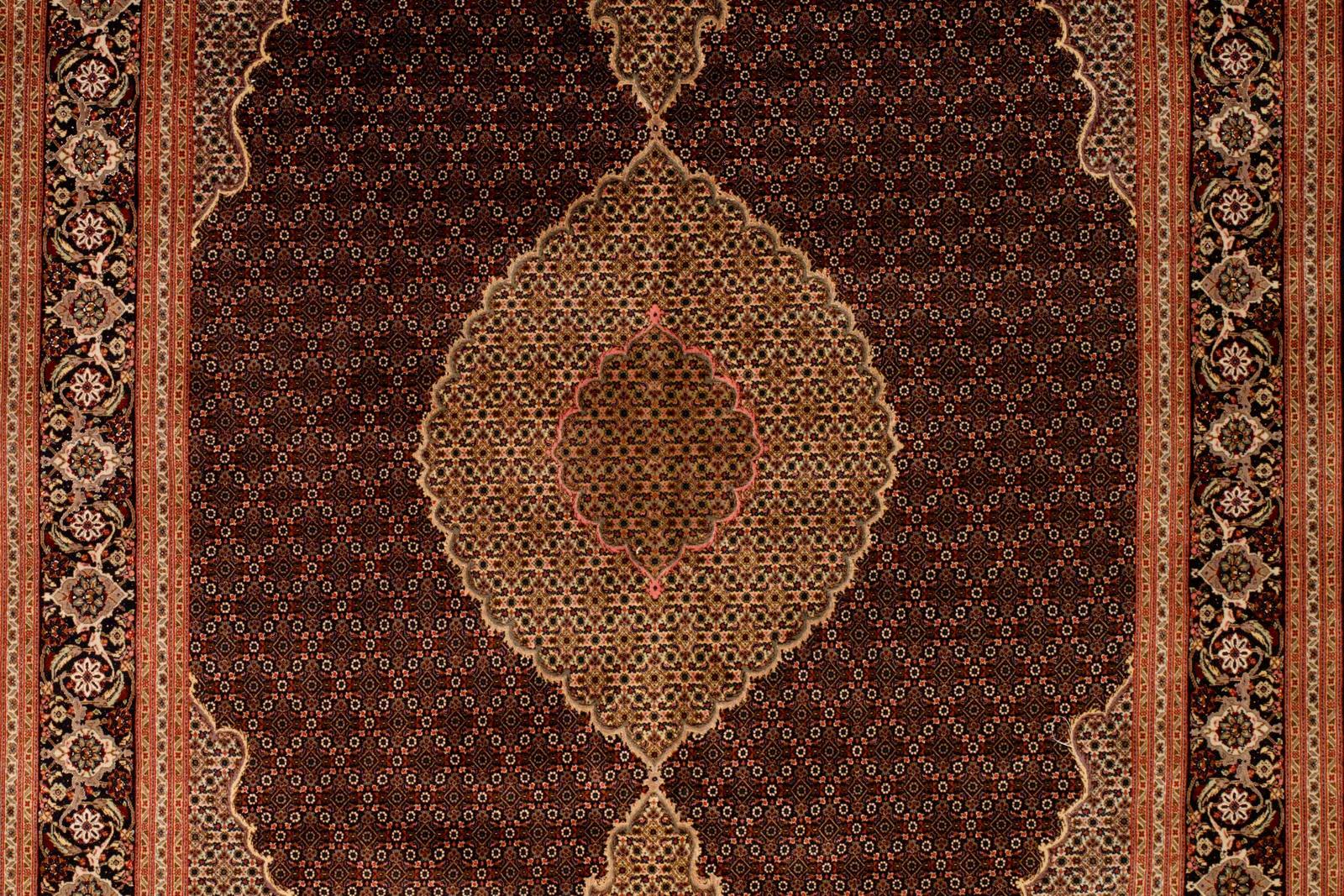
- Tabriz Rugs: Known for their intricate floral patterns and rich color palettes, Tabriz rugs often feature medallion designs.
- Kashan Rugs: Distinguished by their symmetry and refined patterns, often incorporating floral motifs and blues and reds.
- Isfahan Rugs: Famous for their fine knotting and delicate designs, often depicting scenes of nature or historical narratives.
- Heriz Rugs: Recognizable for their bold, geometric patterns and earthy tones, Heriz rugs are perfect for modern interiors.
Cultural Significance
Rug weaving in Persia has always been more than a means of livelihood. It’s deeply intertwined with the country’s culture and history, representing stories of love, nature, and spirituality. Owning a Persian rug is like owning a piece of history.
2. Masterful Craftsmanship
What sets Persian rugs apart is their meticulous construction. Each rug can take months or even years to complete, depending on its size and complexity. Here are some key elements that define their craftsmanship:
Materials
Persian rugs are crafted from the finest natural materials:
- Wool: The most common material, offering durability and a soft texture.
- Silk: Used for high-end rugs, silk adds a luxurious sheen and intricate detailing.
- Cotton: Often used for the foundation, providing strength and stability.
Knotting Techniques
The quality of a Persian rug is often measured by its knot density (knots per square inch, or KPSI). Higher KPSI indicates finer craftsmanship. Persian rugs typically use one of two knotting techniques:
- Senneh Knot: A single knot, ideal for creating intricate designs.
- Ghiordes Knot: A double knot, offering more durability and texture.
Hand-Dyeing Process
The vibrant colors of Persian rugs are achieved through natural dyes derived from plants, insects, and minerals. This hand-dyeing process ensures that the colors are rich, varied, and long-lasting.
3. Design and Patterns
The designs of Persian rugs are a harmonious blend of symmetry, geometry, and storytelling. Common motifs include:
- Medallions: Central designs that draw the eye and create balance.
- Floral Patterns: Representing nature, growth, and beauty.
- Animals: Symbolizing strength, freedom, or spirituality.
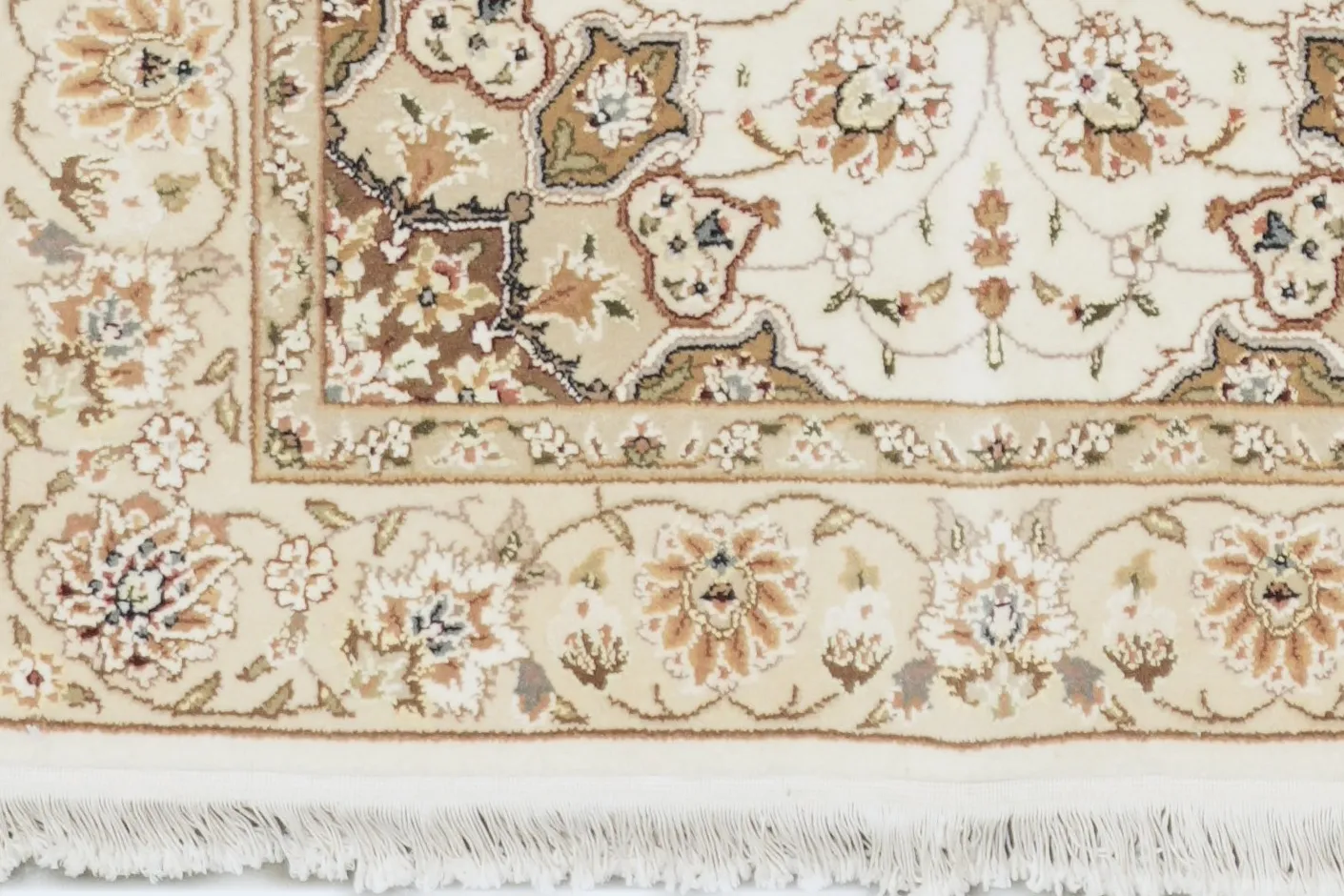
- Borders: Frames that define and enhance the overall design.
Each design is intentional, and no detail is left to chance. The patterns are often inspired by nature, poetry, and Persian mythology, making each rug a unique piece of art.
4. Why Persian Rugs Become Heirlooms
Persian rugs are not just beautiful; they are made to last for generations. Here’s why:
Longevity
Handmade Persian rugs are incredibly durable, often lasting for decades or even centuries with proper care. Unlike machine-made rugs, they retain their beauty and integrity over time.
Cultural Value
Owning a Persian rug connects you to a rich cultural tradition. These rugs are often considered heirlooms, making them a meaningful addition to any home.
5. Choosing the Perfect Persian Rug
Selecting the right Persian rug for your home requires careful consideration. Here are some tips:
- Define Your Space: Measure your room to determine the ideal rug size.
- Match Your Aesthetic: Choose a design that complements your interior style, whether it’s modern, traditional, or transitional.
- Assess Quality: Check the knot density, materials, and overall craftsmanship.
- Consider the Source: Buy from a trusted seller, like Medallion Rug Gallery, that stands behind every rug with a money-back guarantee and a lifetime exchange.
6. Caring for Your Persian Rug
To maintain the beauty and longevity of your Persian rug:
- Regular Cleaning: Vacuum gently, with suction only and no beater bar, and avoid using harsh chemicals.
- Rotate Yearly: Prevent uneven wear by rotating your rug once a year.
- Professional Care: Schedule professional cleaning and restoration services for thorough maintenance.
Conclusion
Persian rugs are more than just floor coverings; they are works of art, steeped in history and craftsmanship. At Medallion Rug Gallery, we take pride in offering an exquisite collection of Persian rugs that celebrate this timeless tradition. Whether you’re looking to add elegance to your home or to own a piece of history, our experts are here to guide you every step of the way.
Visit our showroom in Redwood City to explore the beauty and craftsmanship of Persian rugs. Let us help you find a rug that not only enhances your space but also tells a story that lasts for generations.